
Homes built in Fairfax, Vienna, and Chantilly before 1975 face a quiet epidemic of copper pinhole leaks. Here is how to evaluate patching versus whole-home PEX repiping. In Northern Virginia, addressing this problem requires understanding local housing eras, Fairfax County Land Development Services (Fairfax PLUS) permitting rules, and safe water shutoff practices. For immediate assistance across Fairfax City and County, Red Eagle Plumbers provides 24/7 live dispatch at (858) 363-8298 with upfront pricing.
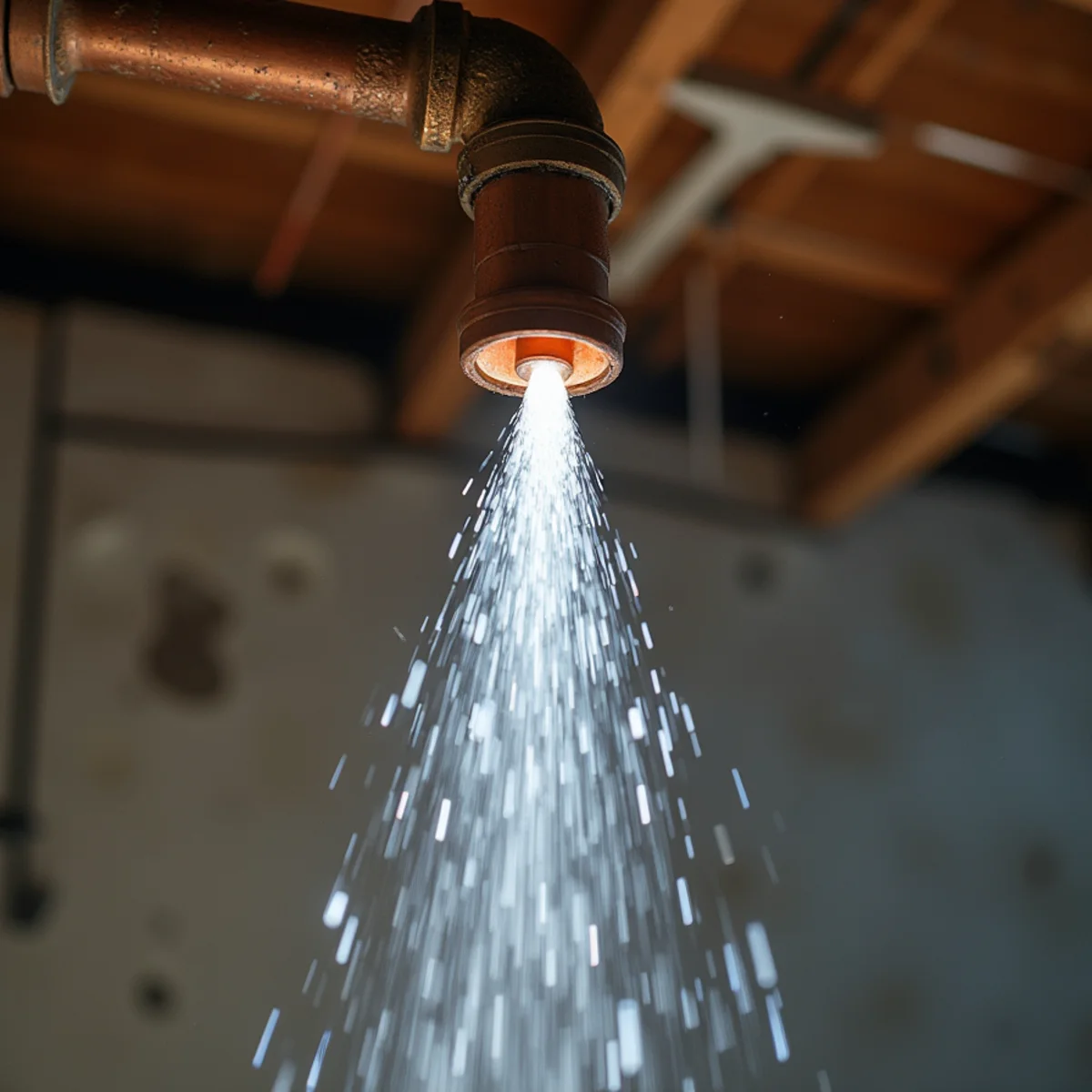
For decades, rigid copper piping was considered the undisputed gold standard of residential plumbing. Homeowners assumed that copper lines were virtually indestructible. Yet in established Northern Virginia communities—including mid-century neighborhoods in Fairfax, Vienna, McLean, and Chantilly—homeowners are experiencing a persistent, frustrating wave of microscopic copper pinhole leaks.
These leaks often spray a fine, aerosolized mist inside finished basement ceilings, crawl spaces, and interior wall cavities for weeks before outward signs of water damage appear. Understanding why copper corrodes in this region helps you determine whether to continue patching isolated leaks or invest in a permanent whole-home repipe.
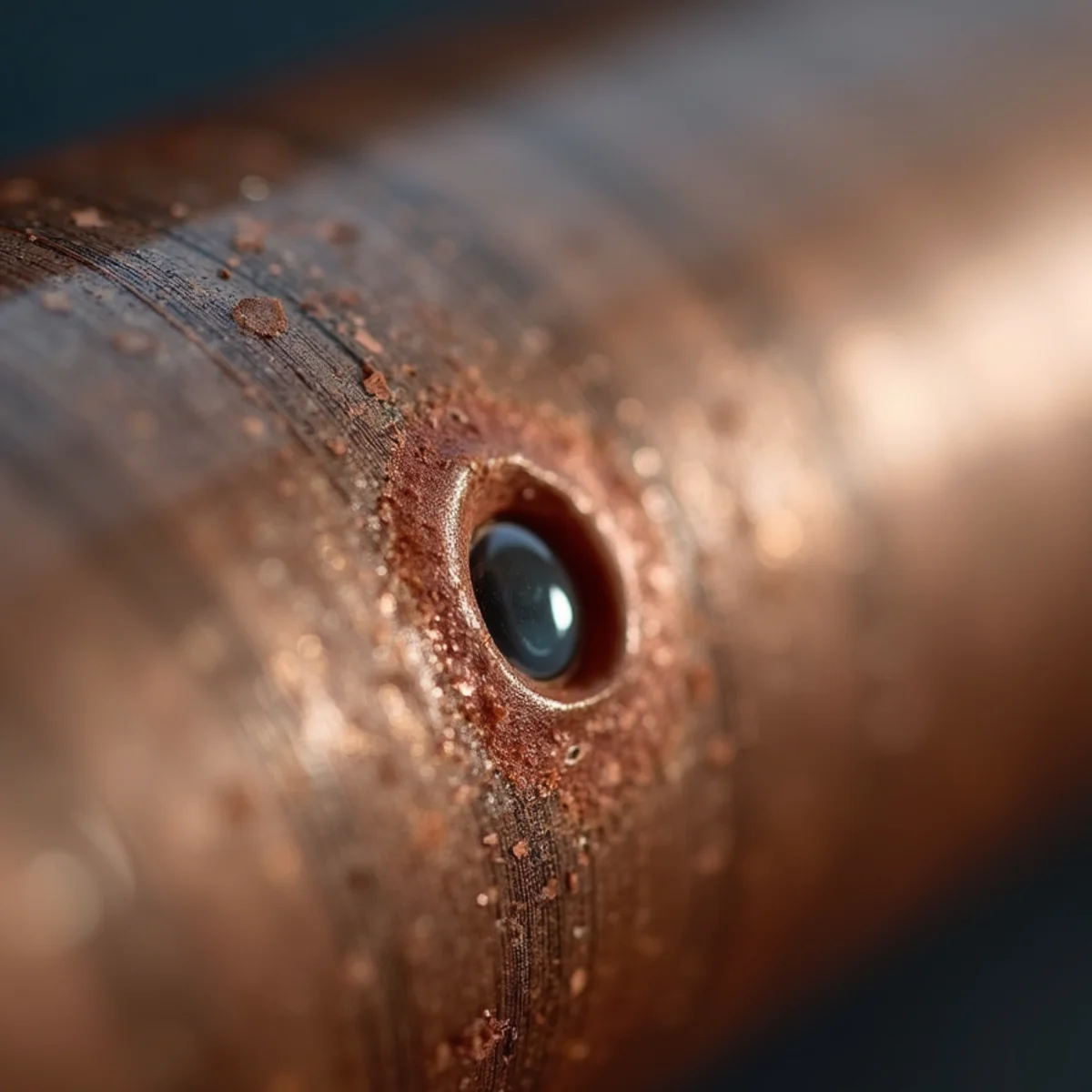
Why Do Copper Pipes Fail in Northern Virginia? Copper pinhole leaks develop primarily from a metallurgical phenomenon known as **pitting corrosion**. Rather than wearing evenly across the pipe, chemical and physical forces attack microscopic imperfections in the copper interior: 1. **Water Chemistry and Velocity**: Public water treated from surface sources (such as the Potomac and Occoquan rivers by Fairfax Water) contains dissolved oxygen, chloramines, and slightly variable pH levels. When water flows at high velocity through older Type M thin-wall copper tubing, turbulent eddies strip away the protective cupric oxide patina on the pipe's interior wall. 2. **Soldering Flux Corrosion**: During the post-war building boom of the 1950s and 1960s, plumbers frequently used aggressive, acid-based soldering fluxes. Excess flux that was not wiped clean inside the joints remained behind, slowly eating into the copper wall over decades. 3. **Galvanic and Stray Current Corrosion**: In older homes where electrical grounding rods bond directly to copper plumbing systems, stray electrical currents can accelerate electrolytic metal loss.
Evaluating Your Options: Patch, Re-Route, or Full Repipe? When water stains appear on your basement ceiling, you have three primary engineering options:
Option 1: The Localized Spot Patch - **When It Makes Sense**: Ideal if this is the very first pipe leak your home has ever experienced, the adjacent copper pipe exhibits thick, healthy wall integrity, and the leak is easily accessible in an unfinished basement ceiling. - **The Process**: The plumber cuts away the degraded 6-to-12-inch section and sweats a new piece of Type L heavy-wall copper or inserts a PEX-A expansion splice using approved brass couplings. - **Limitation**: Spot patching does not address systemic corrosion. If the entire branch line is thin, repairing one spot simply redirects dynamic water pressure to the next weakest point, frequently causing another pinhole leak nearby within months.
Option 2: The Sectional Overhead Re-Route - **When It Makes Sense**: Best suited when a copper line buried under a concrete slab foundation ruptures, or when an isolated branch line serving a single bathroom or kitchen has experienced multiple pinholes while the rest of the home remains stable. - **The Process**: Plumbers cap off the failing underground or wall line at its source and route a new, continuous PEX line through the basement ceiling or attic space to supply the fixture group directly.
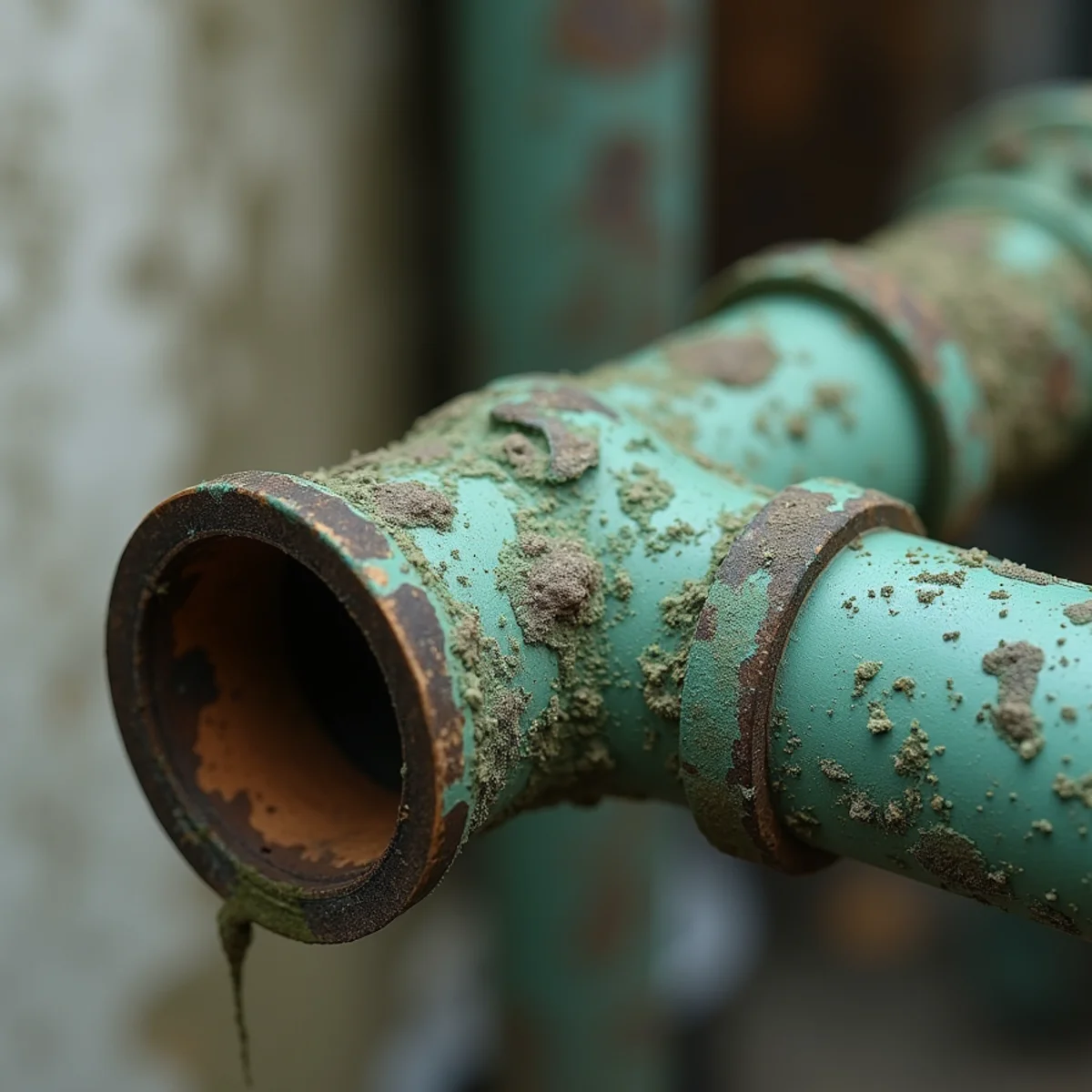
Option 3: Whole-Home Uponor PEX-A Repiping - **When It Makes Sense**: Strongly recommended if your home has experienced two or more pinhole leaks within a two-year window, or if home inspectors flag widespread exterior green oxidation (verdigris) across your pipe network. - **The Process**: Plumbers systematically decommission the failing copper network and install modern Uponor PEX-A tubing to every fixture, half-bath, water heater, and hose bib in the home. - **The Benefit**: Eliminates future leak anxiety, protects finished basements, improves dynamic water pressure, and restores full insurable value to your Northern Virginia property.
To schedule an acoustic leak detection inspection or whole-home repiping assessment in Fairfax, call Red Eagle Plumbers at (858) 363-8298.
Have questions about your Northern Virginia plumbing?
Speak directly with an on-duty dispatcher. We quote upfront before any work starts.
Questions Addressed in This Guide
Quick reference answers to key questions covered in this article.
Green or blue-green crust (verdigris) indicates slow oxidation caused by acidic soldering flux residue, high ambient humidity, or microscopic weeping through failing pipe pores. It is an early warning sign that the pipe wall is thinning.
Have a question not answered here? Speak with our Fairfax dispatch desk.
Call (858) 363-8298 — Answering 24 Hours, 7 Days a WeekRelated Plumbing Resources for Northern Virginia
Relevant Services:
Covered Localities:
Need Fast Plumbing Assistance in Fairfax?
Plumbers on call 24 hours a day, 7 days a week. Upfront written estimates before work begins.
Not urgent? Send a request
For immediate service or an active leak, calling is always fastest. If your project can wait for a callback during standard hours, submit your details below.