Homes built in Fairfax, Vienna, and Sterling from 1945 to 1972 frequently rely on deteriorating Orangeburg or scaling cast iron sewer lines. Discover modern trenchless replacement options. In Northern Virginia, addressing this problem requires understanding local housing eras, Fairfax County Land Development Services (Fairfax PLUS) permitting rules, and safe water shutoff practices. For immediate assistance across Fairfax City and County, Red Eagle Plumbers provides 24/7 live dispatch at (858) 363-8298 with upfront pricing.
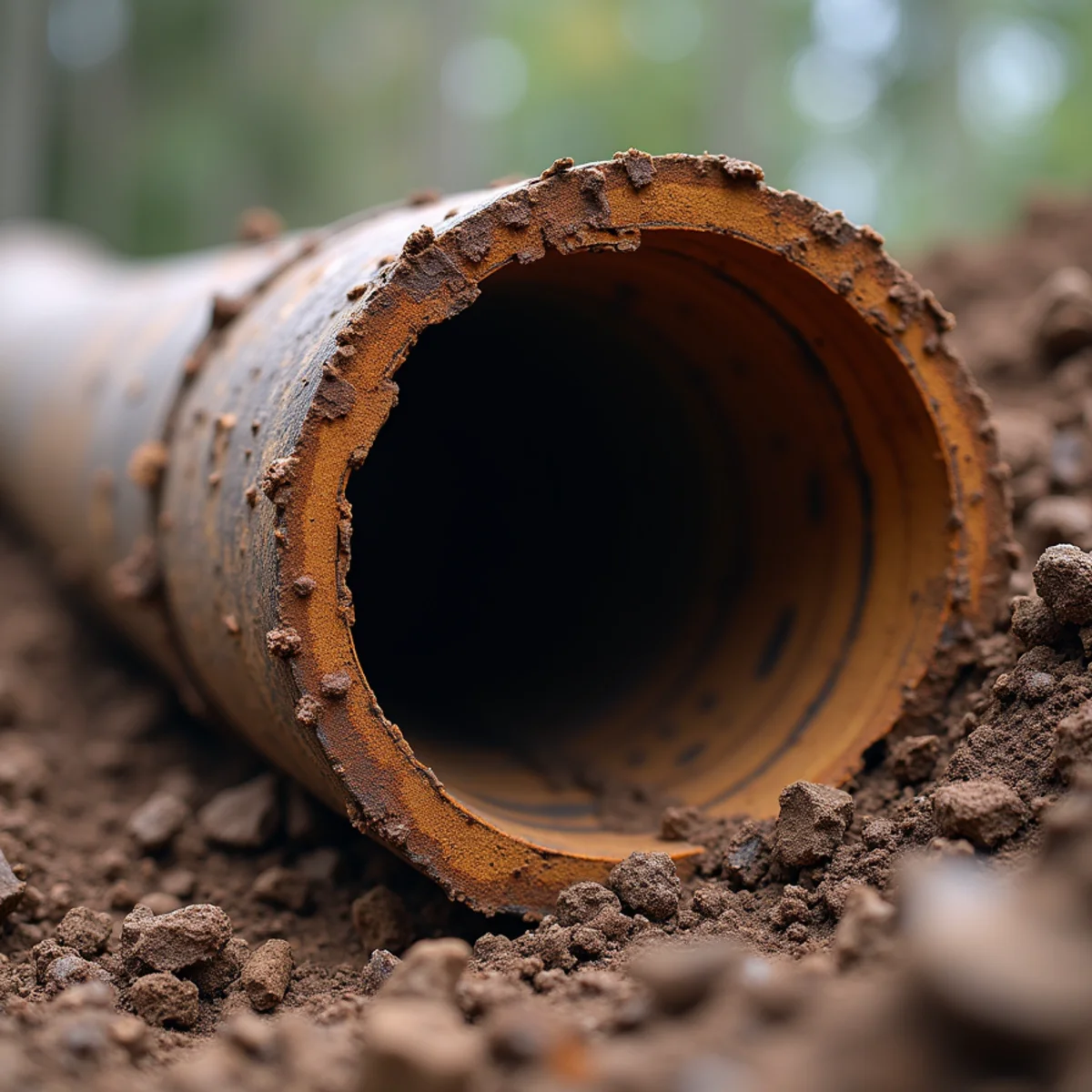
When suburban neighborhoods expanded across Northern Virginia between 1945 and 1972—including early subdivisions in Fairfax City, Vienna, Sterling Park, and Herndon—builders utilized the prevailing sewer pipe materials of the post-war era. While interior plumbing was often plumbed with cast iron stacks, exterior underground sewer laterals frequently utilized vitrified clay tile or bituminized fiber pipe, universally known in the plumbing trade as **Orangeburg pipe**.
Today, six decades after installation, these aging sewer lines have reached catastrophic structural exhaustion, presenting Northern Virginia homeowners with recurring sewage backups, yard sinkholes, and expensive structural failures.
The Strange History of Orangeburg Pipe Named after the Orangeburg, New York manufacturing plant where it was produced, Orangeburg pipe was made from cellulose wood fibers impregnated with coal tar pitch. Originally designed as an electrical conduit, it was widely adopted for underground sanitary sewer laterals during and after World War II to conserve iron for the war effort.
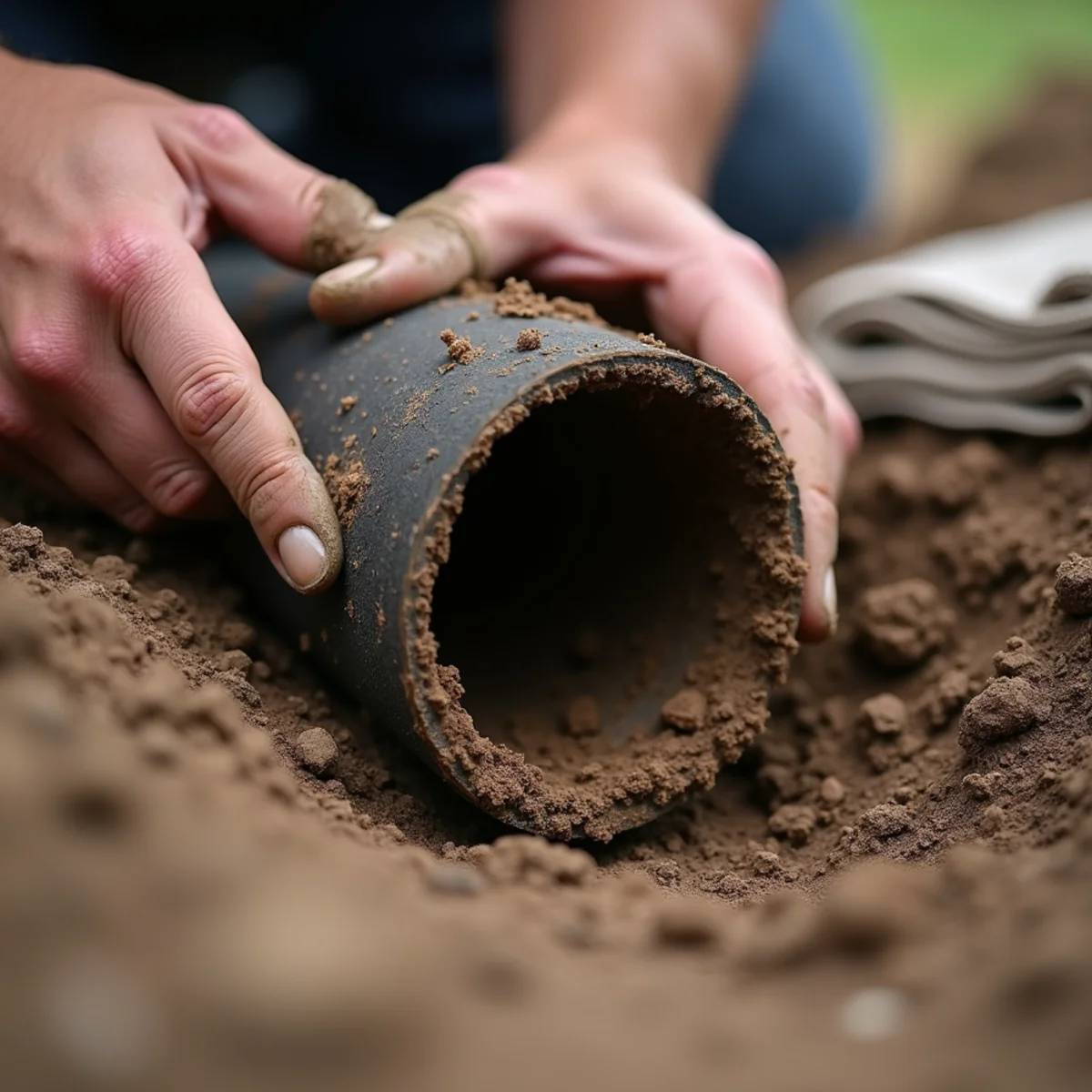
While manufacturers originally claimed a 50-year lifespan, real-world conditions in Northern Virginia's heavy Piedmont clay soils proved otherwise: - **Oval Deformation**: Subjected to decades of continuous soil weight and moisture, the round pipe gradually flattens into an oval shape, severely restricting wastewater flow. - **Internal Delamination and Blistering**: Water flowing through the pipe causes the compressed coal tar paper layers to separate and blister inward, creating rough interior ridges that catch toilet paper and solid waste. - **Bottom Channel Wear**: The bottom of the pipe (the invert) wears away completely, allowing wastewater to seep directly into the ground and creating voids that cause the pipe to collapse. - **Root Penetration**: Orangeburg pipe joints slip easily, providing zero resistance to mature oak and maple tree roots.
Aging Cast Iron Drain Stacks: Tuberculation and Cracking Homes that utilized cast iron sewer lines instead of Orangeburg face their own distinct mechanical degradation after 50 to 70 years: 1. **Internal Tuberculation**: Cast iron oxidizes internally, producing jagged, crusty mounds of rust scale that narrow a 4-inch pipe down to a 2-inch opening. This scale acts like velcro for toilet paper. 2. **Channel Rot**: Acidic sewage gases (hydrogen sulfide) rise along the top and bottom of horizontal cast iron lines, chemically dissolving the iron until the bottom of the pipe splits open. 3. **Shifting Soil Joints**: Original cast iron pipes were joined using lead-and-oakum packed joints. Cyclical swelling of Virginia clay breaks these rigid joints, leading to offsets and leaks.
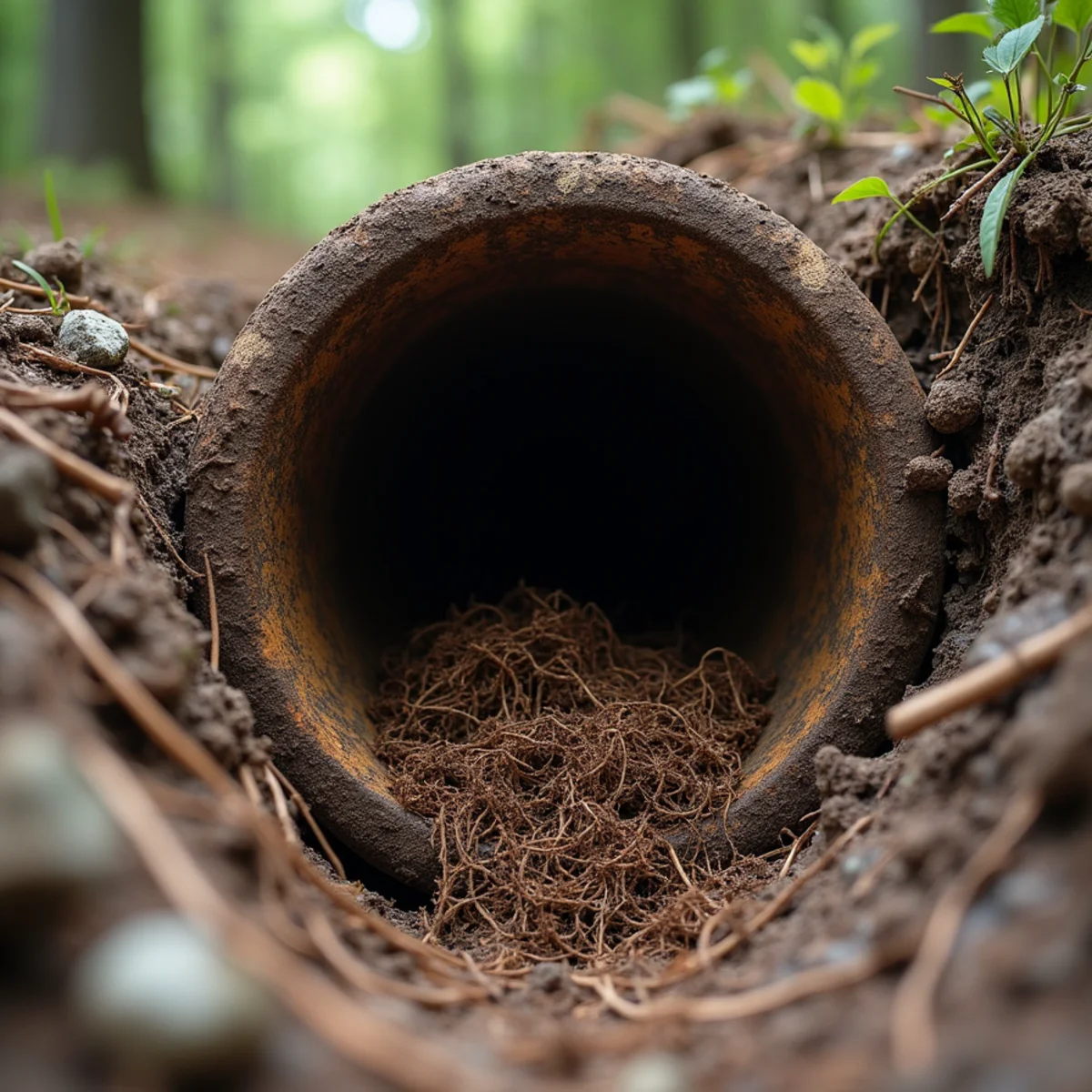
Warning Signs Your Sewer Lateral is Failing How do you know if your underground sewer pipe is collapsing versus experiencing a simple surface clog? - Repeated sewage backups occurring every few months, even after mechanical snaking. - Gurgling sounds from downstairs toilets when showers, bathtubs, or washing machines drain. - A distinctive foul sewer gas odor in your basement, crawl space, or front yard. - A sunken depression or an unusually lush, vibrant strip of grass across your front lawn directly over the sewer line path. - Inability of a plumber's drain cable to pass beyond a certain distance from your cleanout due to pipe collapse.
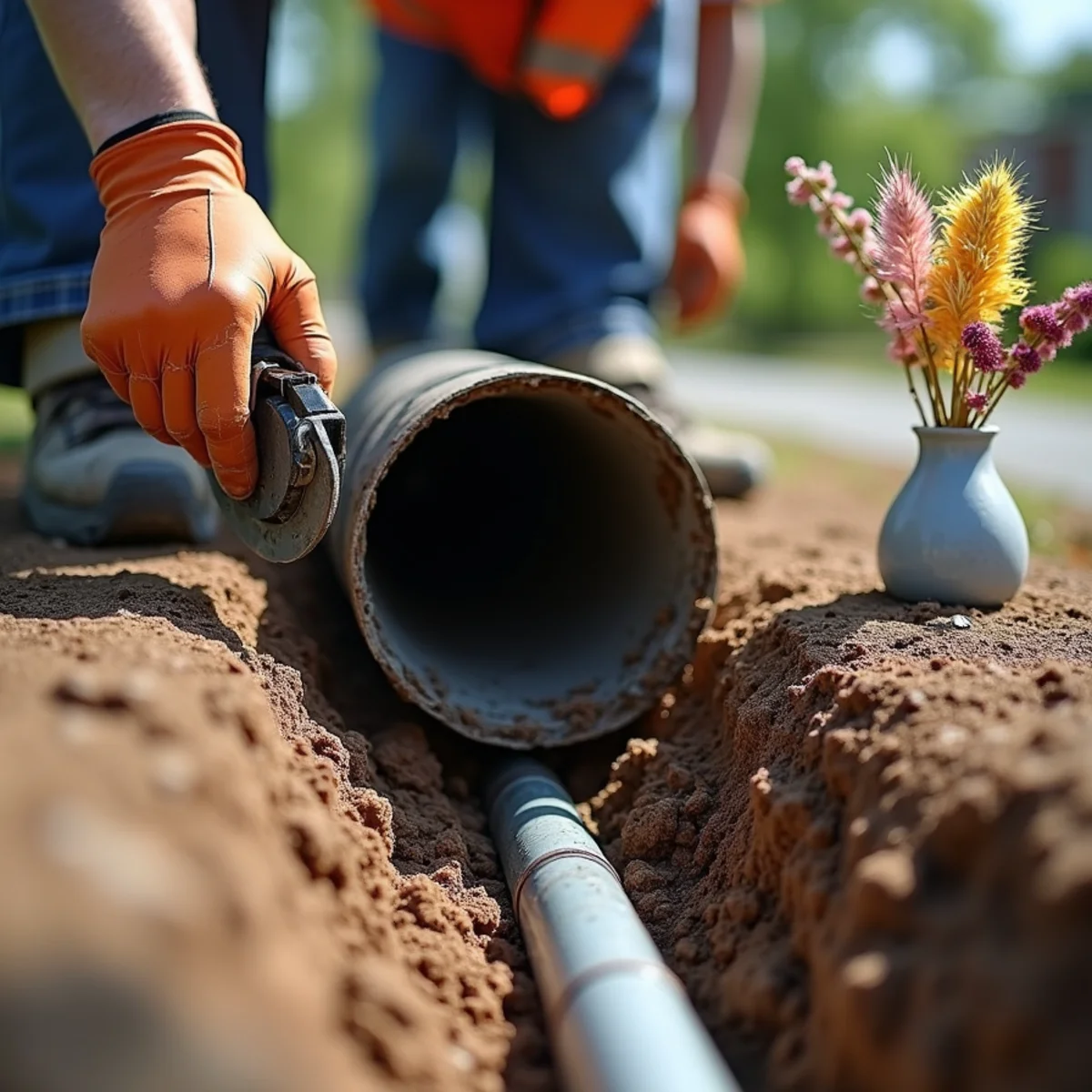
Why Mechanical Snaking Can Destroy Orangeburg Pipe Homeowners frequently call rooter companies to clear repeat clogs. However, running a heavy-duty mechanical cable with aggressive steel cutting blades through an aged Orangeburg pipe is dangerous: - The spinning steel blades can easily puncture the soft, paper-thin walls of a delaminated Orangeburg pipe, tearing it open and causing an immediate complete collapse. - Once a pipe is structurally compromised, snaking only provides temporary relief for a few days before soil caves in. - A **high-definition sewer video camera inspection** must always precede mechanical cabling in homes built before 1972 to confirm pipe material and structural integrity.
Modern Trenchless Solutions: Pipe Bursting and CIPP Lining Replacing a failing sewer lateral no longer requires excavating a massive 8-foot-deep trench across your entire front yard, tearing up mature shade trees, paved driveways, and brick paver walkways. Dispatched plumbers specialize in trenchless sewer lateral replacement:
- **Trenchless Pipe Bursting**: Plumbers excavate two small access pits—one near the house foundation and one at the street curb or property line. A high-strength steel cable is fed through the old pipe, attached to a hardened conical bursting head. As a hydraulic pulling unit pulls the bursting head through, it shatters the brittle old Orangeburg or cast iron outward into the surrounding soil while simultaneously pulling a seamless, joint-free High-Density Polyethylene (HDPE) pipe into place.
- **Zero Root Infiltration**: Fused HDPE pipe has no joints, seams, or mortar connections, making it completely impervious to tree root intrusion.
- **50 to 100-Year Longevity**: Modern HDPE and Schedule 40 PVC installations provide decades of smooth, trouble-free wastewater drainage.
If your older Northern Virginia home suffers from chronic sewer backups, schedule a sewer camera inspection with Red Eagle Plumbers at (858) 363-8298 to diagnose your underground lateral safely.
Have questions about your Northern Virginia plumbing?
Speak directly with an on-duty dispatcher. We quote upfront before any work starts.
Questions Addressed in This Guide
Quick reference answers to key questions covered in this article.
A video sewer camera inspection is the only definitive method. An optical camera pushed down your cleanout transmits live color footage displaying the telltale oval deformation, blistering layers, or missing pipe bottom characteristic of Orangeburg.
Have a question not answered here? Speak with our Fairfax dispatch desk.
Call (858) 363-8298 — Answering 24 Hours, 7 Days a WeekRelated Plumbing Resources for Northern Virginia
Relevant Services:
Covered Localities:
Need Fast Plumbing Assistance in Fairfax?
Plumbers on call 24 hours a day, 7 days a week. Upfront written estimates before work begins.
Not urgent? Send a request
For immediate service or an active leak, calling is always fastest. If your project can wait for a callback during standard hours, submit your details below.