
Excessive municipal water pressure destroys appliances and splits water lines. Discover the key warning signs of a failed Pressure Reducing Valve (PRV). In Northern Virginia, addressing this problem requires understanding local housing eras, Fairfax County Land Development Services (Fairfax PLUS) permitting rules, and safe water shutoff practices. For immediate assistance across Fairfax City and County, Red Eagle Plumbers provides 24/7 live dispatch at (858) 363-8298 with upfront pricing.
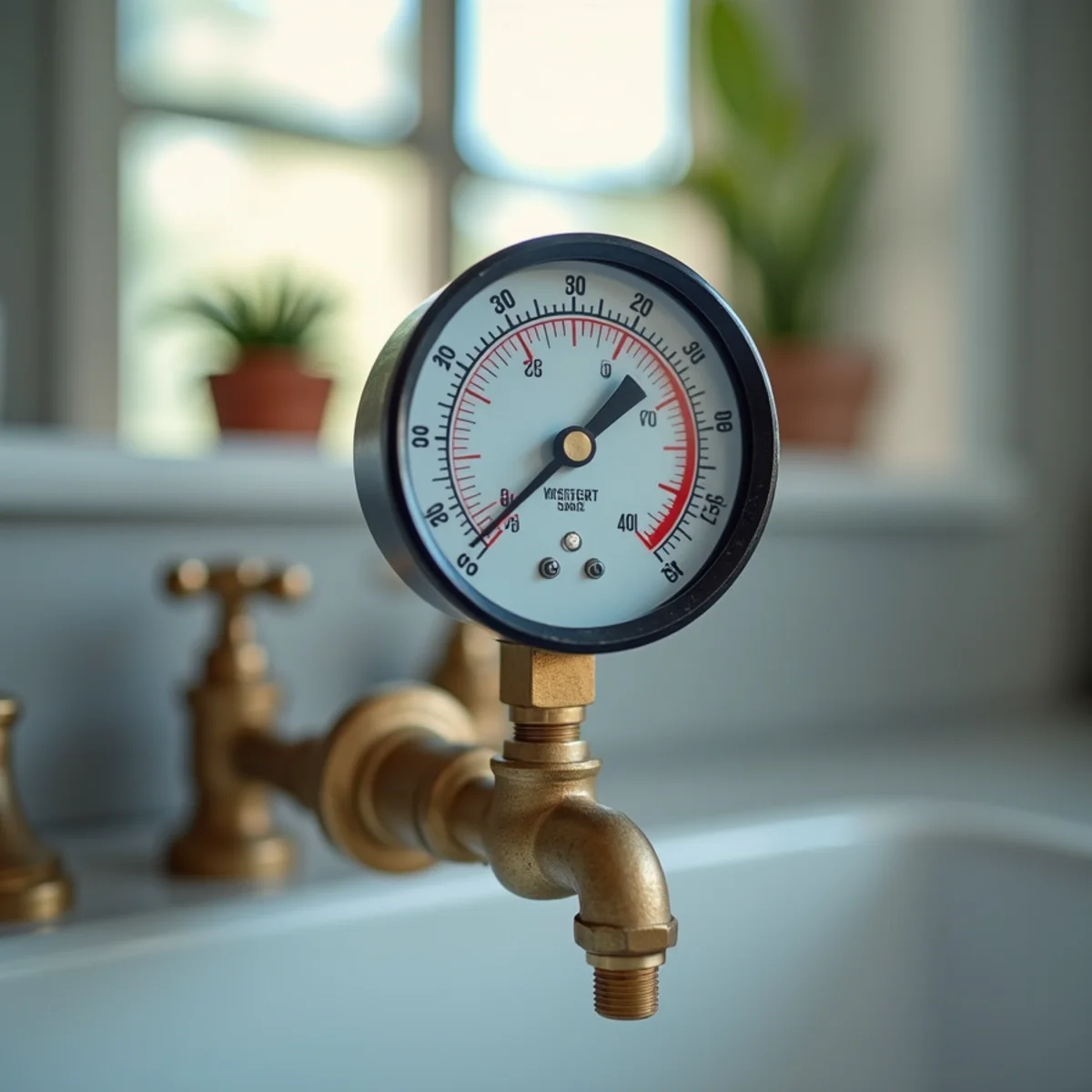
Water pressure is a double-edged sword. While every homeowner appreciates invigorating shower pressure, excessively high water pressure is one of the most destructive hidden forces inside a residential plumbing system.
In Fairfax County, municipal water mains operated by Fairfax Water often pump water through street mains at pressures ranging from 90 to 120+ PSI (pounds per square inch) to move water over rolling Northern Virginia topography and satisfy commercial fire flow requirements. However, residential plumbing codes dictate that household water pressure should never exceed 80 PSI, with the optimal safe operating range being **50 to 65 PSI**.
The mechanical device responsible for stepping down this intense street pressure before it enters your home is the **Pressure Reducing Valve (PRV)**. When this brass valve fails, your home is exposed to damaging hydraulic stress.
What Causes a Pressure Reducing Valve to Fail? A PRV is a mechanical diaphragm valve installed on your main water service line, typically located right beside your main water shut-off in the basement or utility closet. Inside the valve, an internal spring, rubber diaphragm, and stainless steel orifice regulate water flow. Over 10 to 15 years: - The rubber diaphragm stretches, tears, or hardens from exposure to municipal chlorine. - Mineral sediment and scale from Fairfax water jam the internal spring mechanism. - The valve loses its ability to throttle pressure, either locking open and allowing full street pressure into the home, or seizing shut and restricting flow to a trickle.
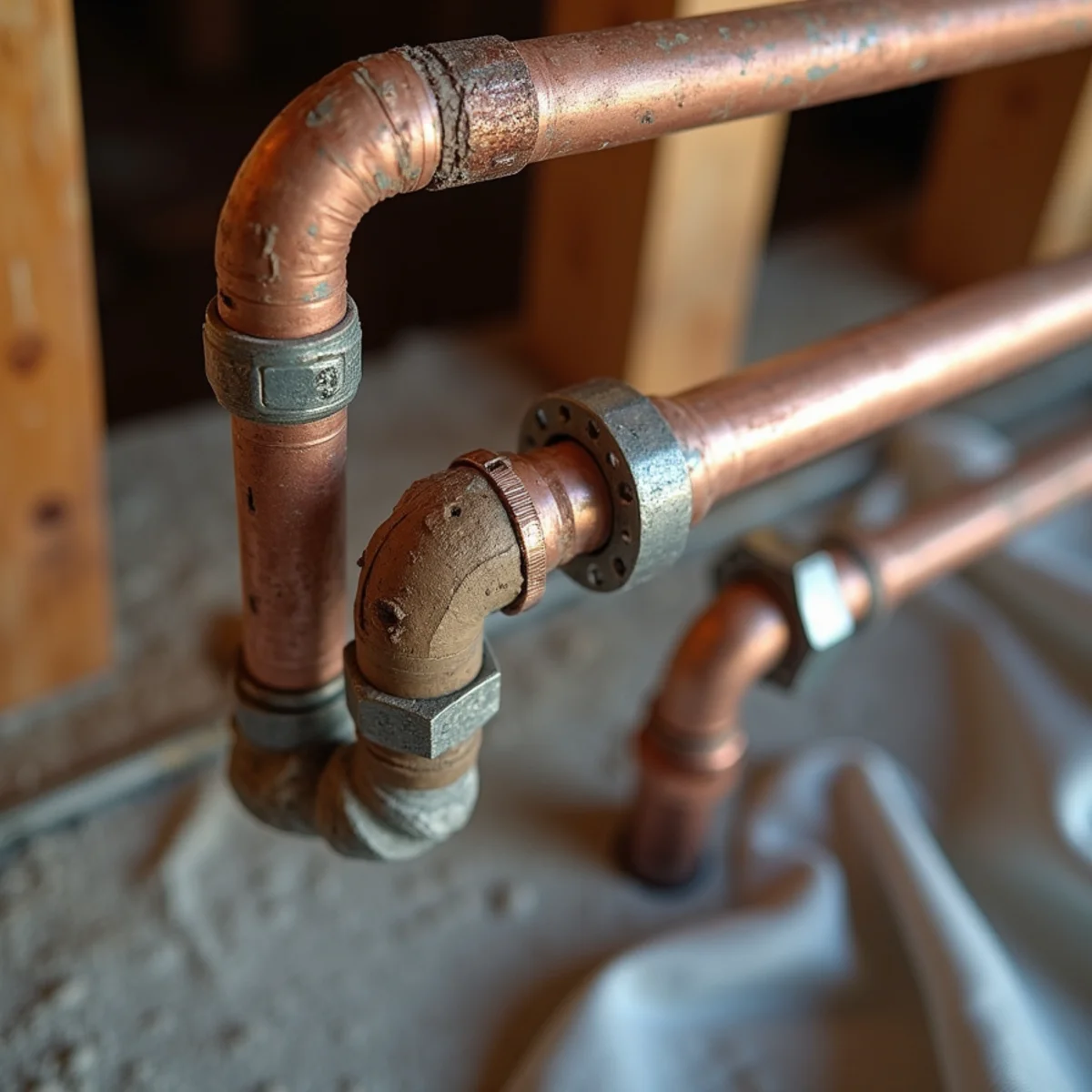
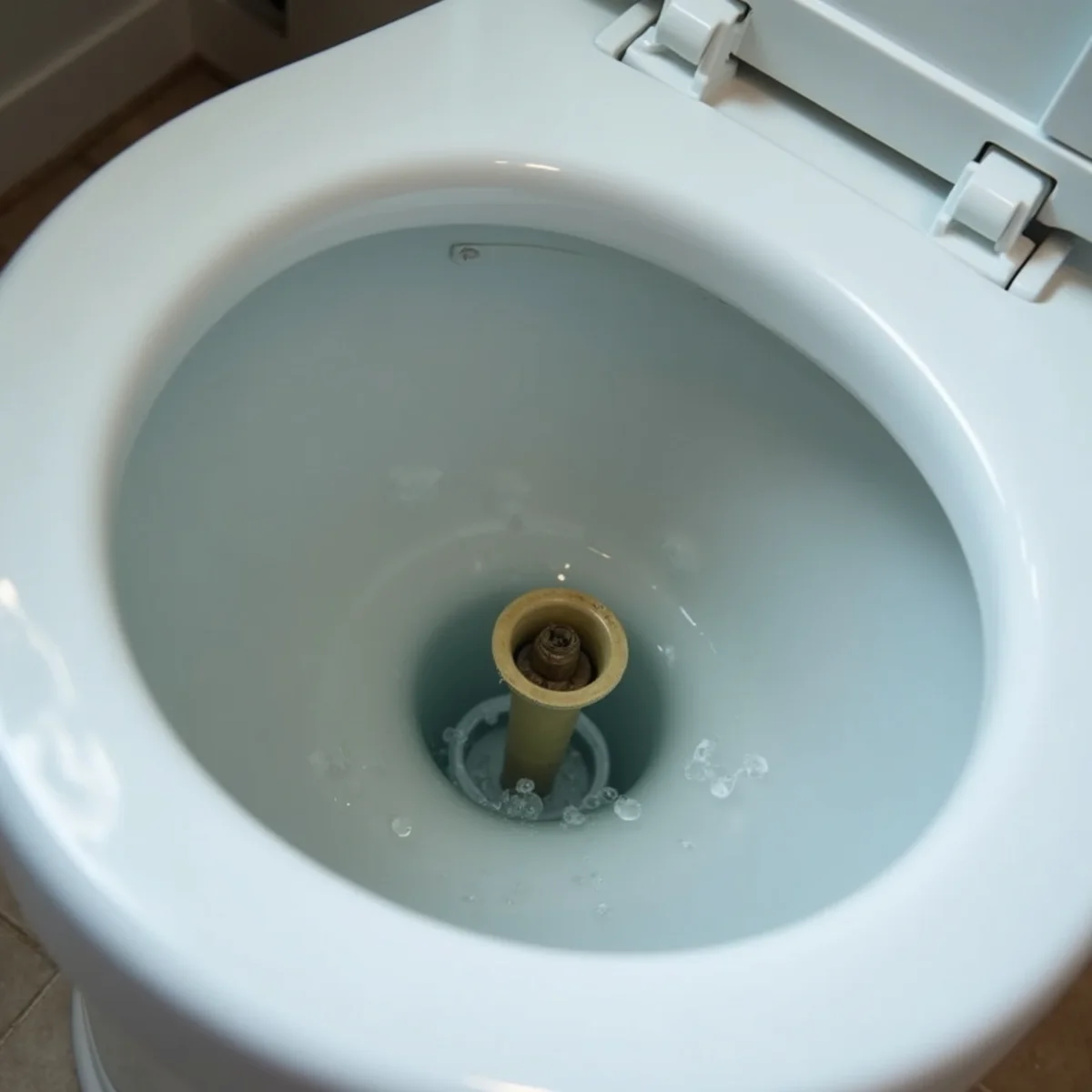
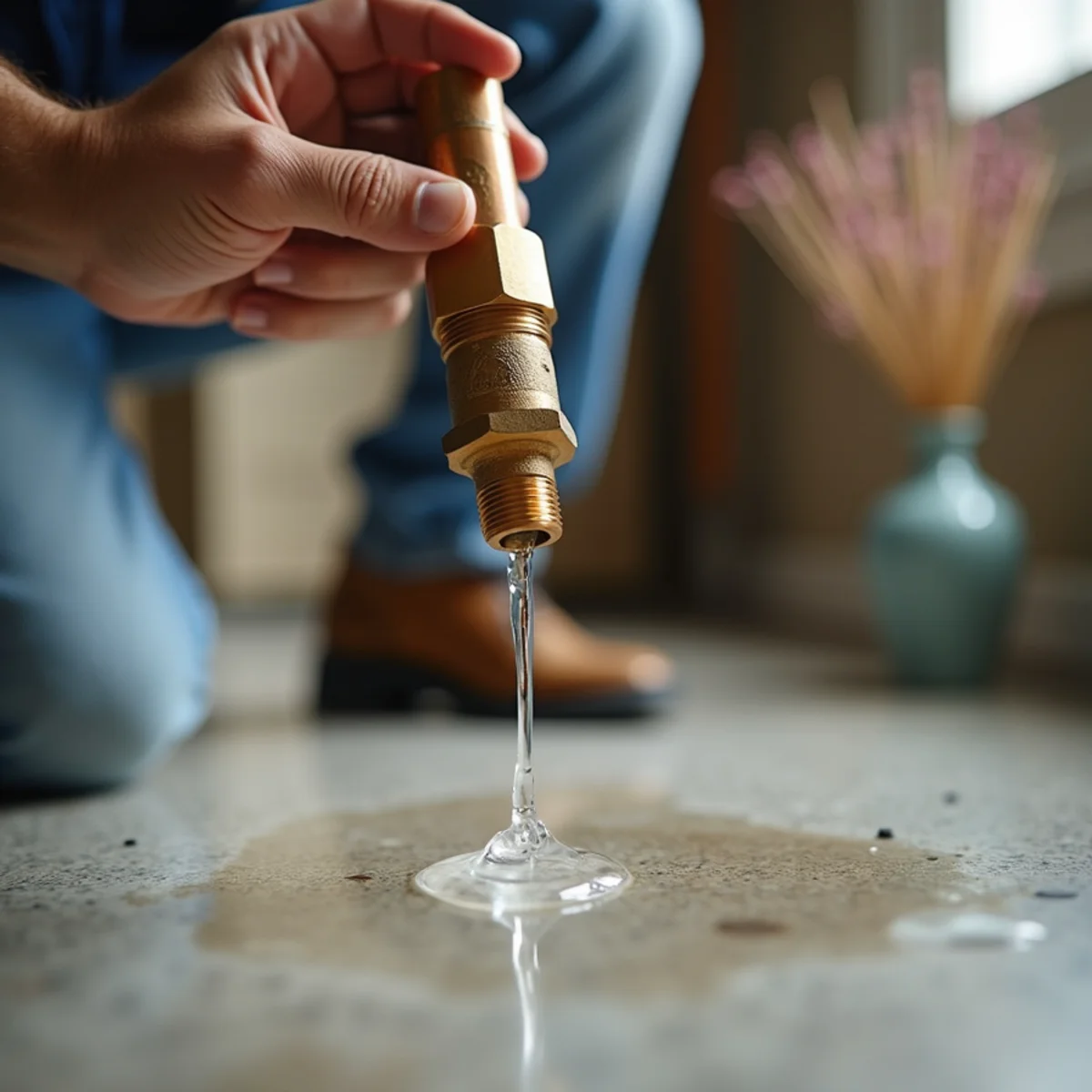
Top Symptoms of a Failed Pressure Reducing Valve 1. **Loud Banging Pipes ('Water Hammer')**: When high-pressure water suddenly stops (such as when a washing machine solenoid valve or dishwasher shuts off), shockwaves travel through the pipes at thousands of feet per second, violently rattling pipes against wall studs. 2. **Dripping Temperature and Pressure (T&P) Relief Valve on Water Heater**: High static water pressure forces the safety relief valve on your water heater to weep water onto the floor or through its discharge pipe. 3. **Running or Whistling Toilets**: High pressure overpowers toilet fill valve seals, causing toilets to run intermittently or emit high-pitched shrieking sounds during tank refills. 4. **Leaking Faucet Cartridges and Washing Machine Hoses**: Premature failure of sink cartridges, bidet sprayers, and rubber washing machine hoses is a hallmark symptom of persistent over-pressurization. 5. **Sudden Spikes in Water Pressure Followed by Pressure Drops**: When you first open a faucet, water blasts out violently for two seconds before settling into a significantly weaker stream.
The Dangers of Ignoring High Water Pressure Operating your home at 90 to 110 PSI puts immense strain on every soldered copper joint, PEX crimp, and flexible supply line: - Catastrophic burst washing machine hoses that flood finished living spaces while occupants are away. - Voided manufacturer warranties on expensive appliances like refrigerators, dishwashers, and tankless water heaters (most manufacturers void warranties if incoming pressure exceeds 80 PSI). - Accelerated pinhole corrosion on older copper lines caused by excessive water velocity stripping internal protective patina.
Testing and Replacing Your PRV Testing your water pressure is straightforward: a licensed plumber screws a calibrated water pressure gauge onto an outdoor frost-free hose bib or laundry tub faucet. If the static pressure reads over 75 to 80 PSI, replacing your PRV is necessary.
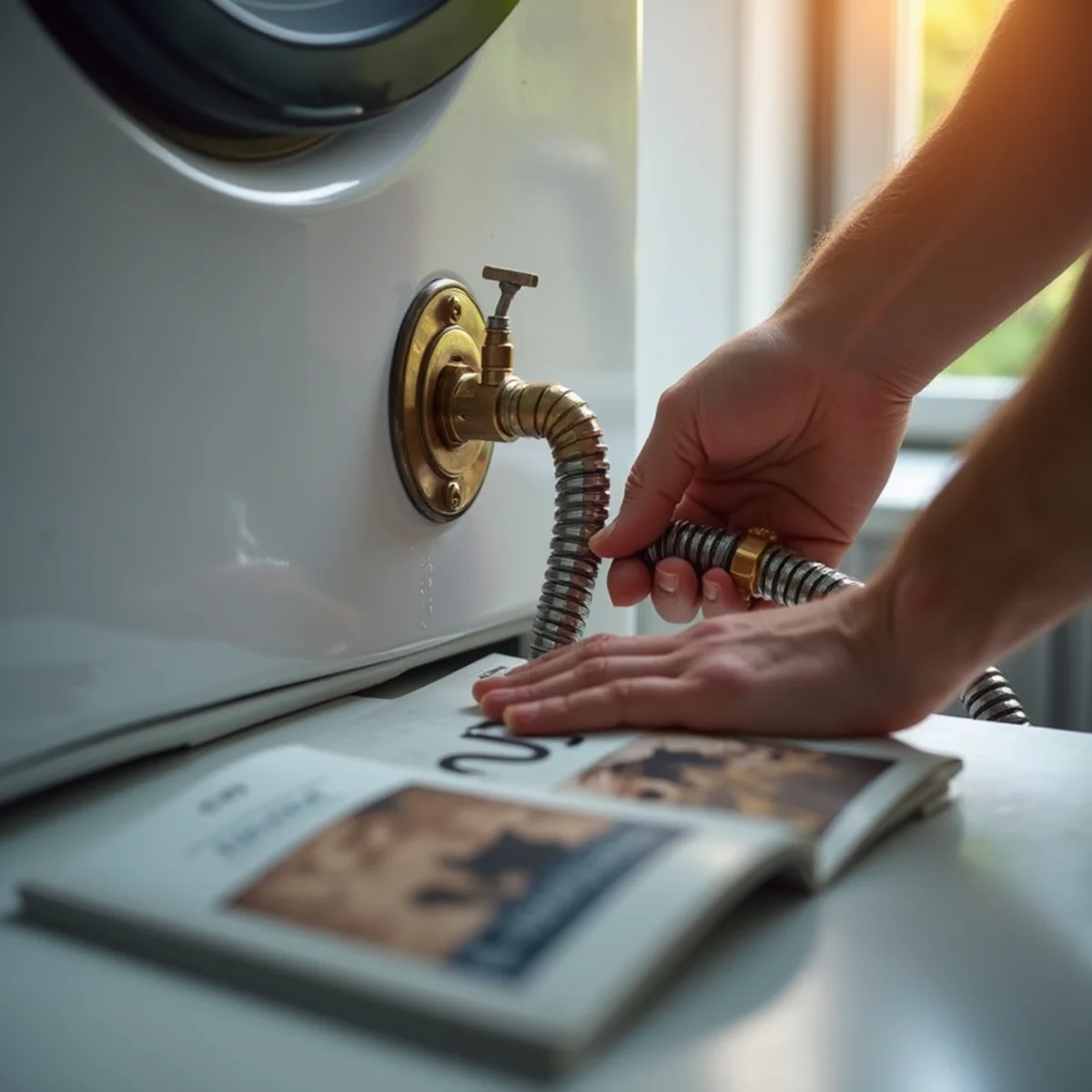
Dispatched plumbers install heavy-duty adjustable brass pressure reducing valves (such as Watts or Zurn Wilkins), set the pressure safely to 55 to 60 PSI, and verify that your thermal expansion tank is balanced to match the new pressure setting.
For professional water pressure testing and PRV replacement in Fairfax, call Red Eagle Plumbers at (858) 363-8298.
Have questions about your Northern Virginia plumbing?
Speak directly with an on-duty dispatcher. We quote upfront before any work starts.
Questions Addressed in This Guide
Quick reference answers to key questions covered in this article.
A quality brass pressure reducing valve in Fairfax typically lasts between 10 and 15 years. If your PRV is over a decade old and your pipes are banging or toilets running, replacement is recommended.
Have a question not answered here? Speak with our Fairfax dispatch desk.
Call (858) 363-8298 — Answering 24 Hours, 7 Days a WeekRelated Plumbing Resources for Northern Virginia
Relevant Services:
Covered Localities:
Need Fast Plumbing Assistance in Fairfax?
Plumbers on call 24 hours a day, 7 days a week. Upfront written estimates before work begins.
Not urgent? Send a request
For immediate service or an active leak, calling is always fastest. If your project can wait for a callback during standard hours, submit your details below.